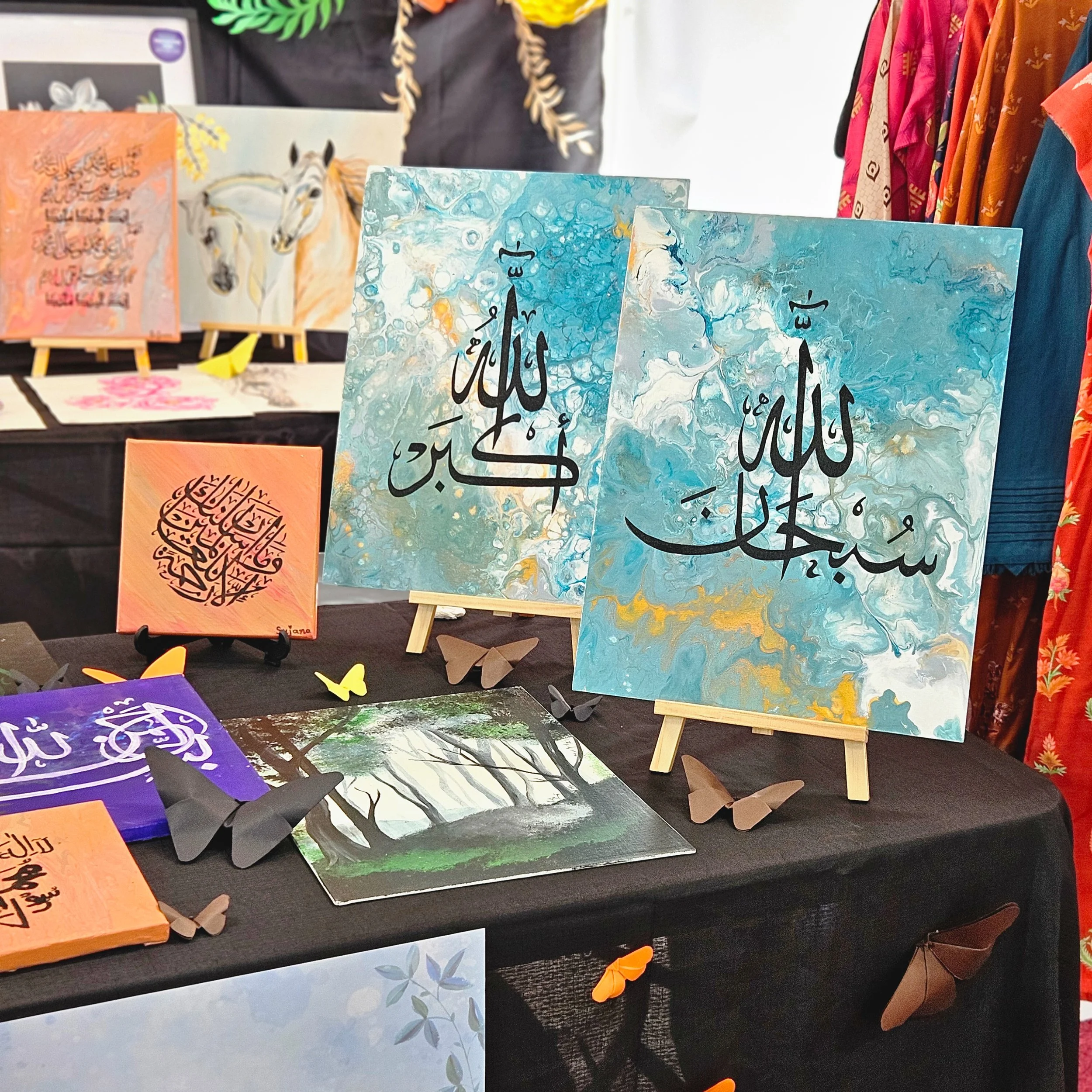
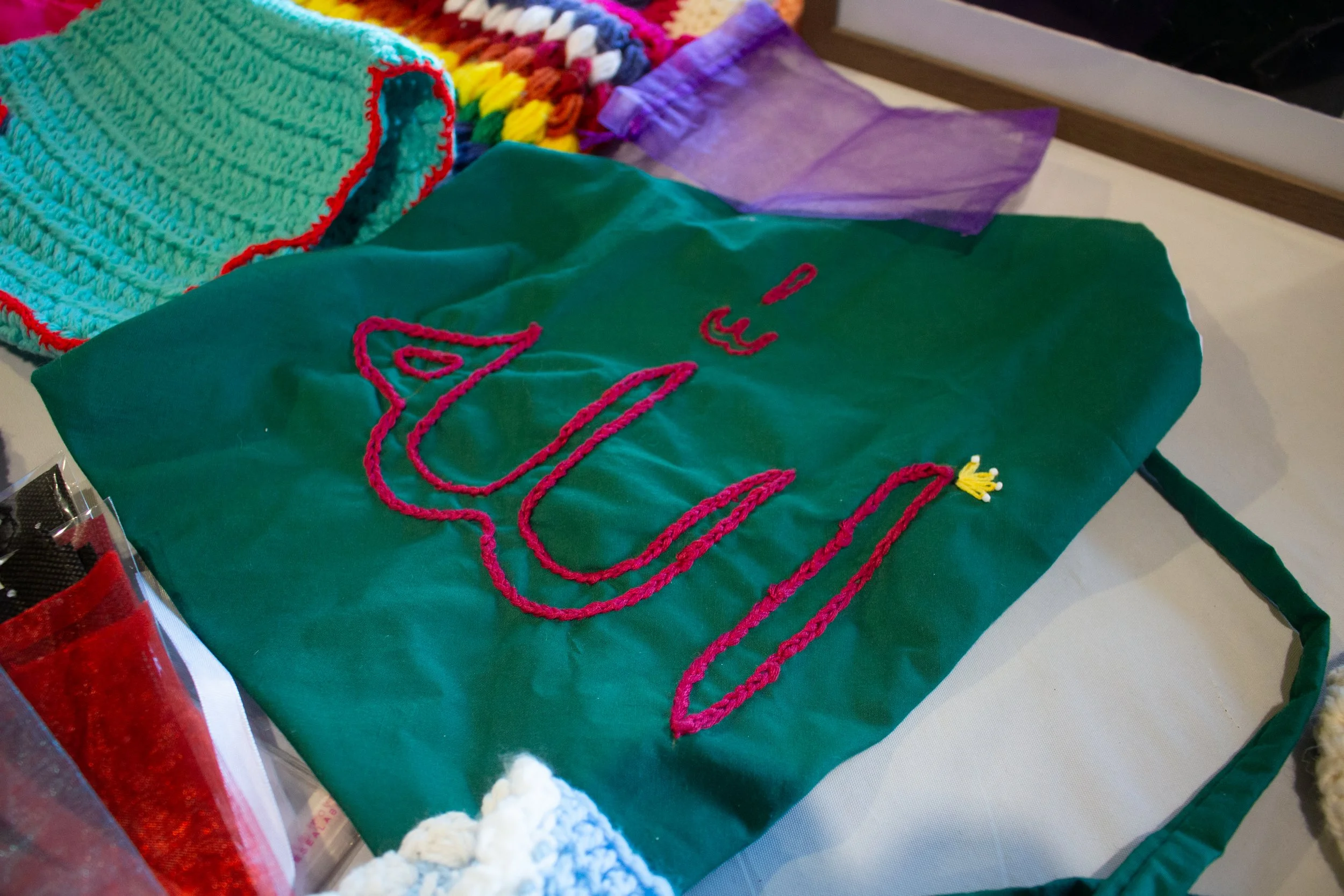
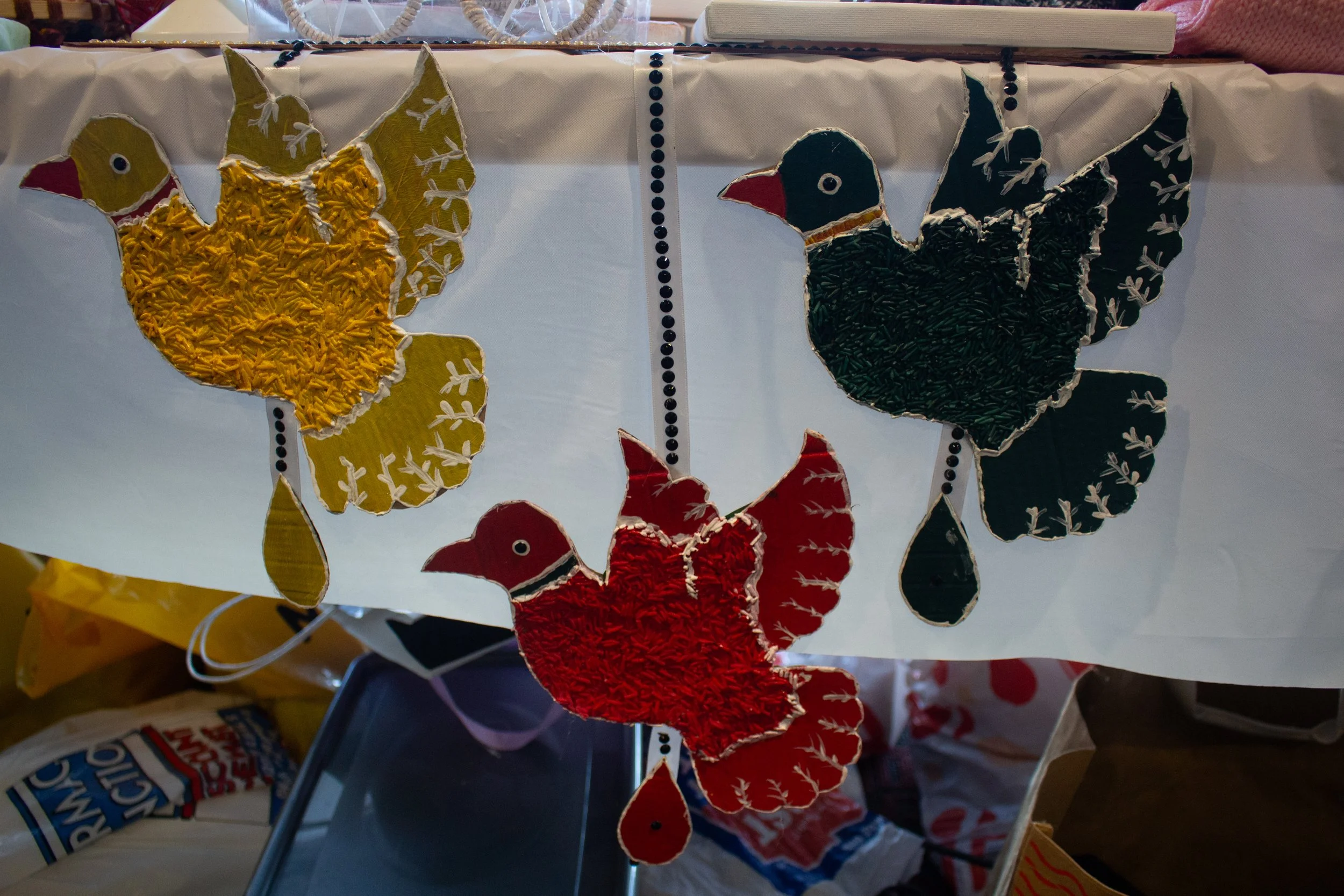
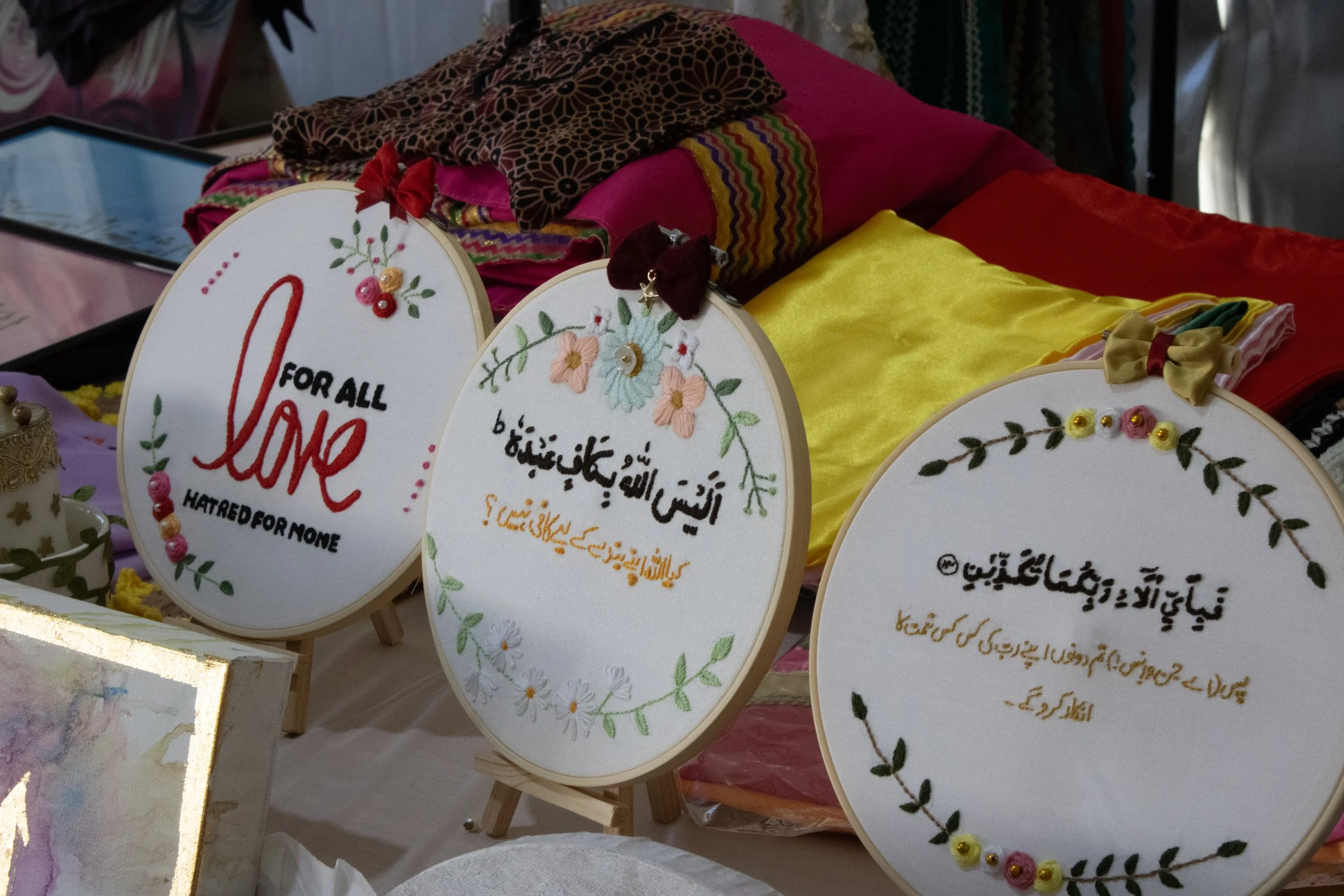
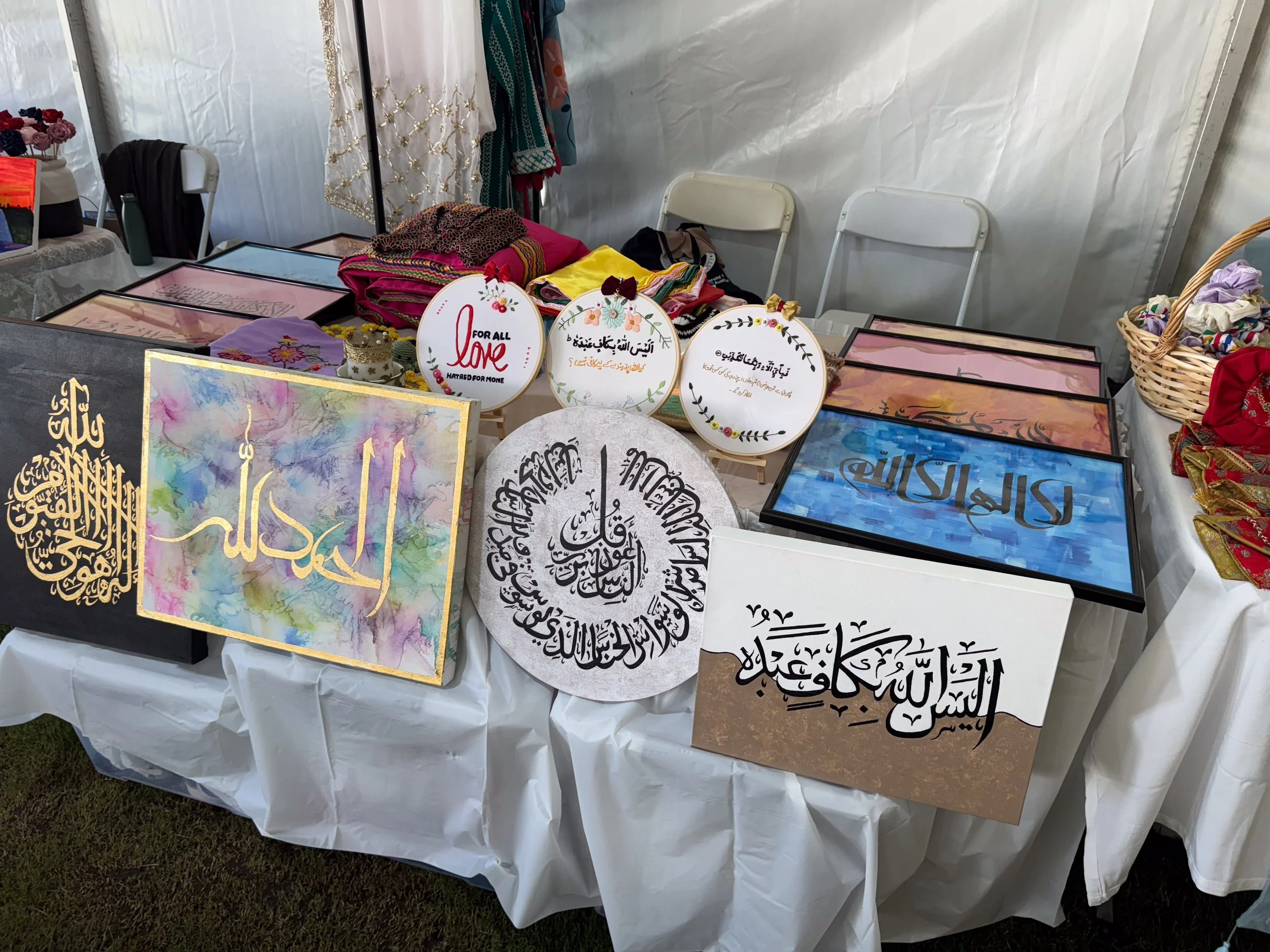
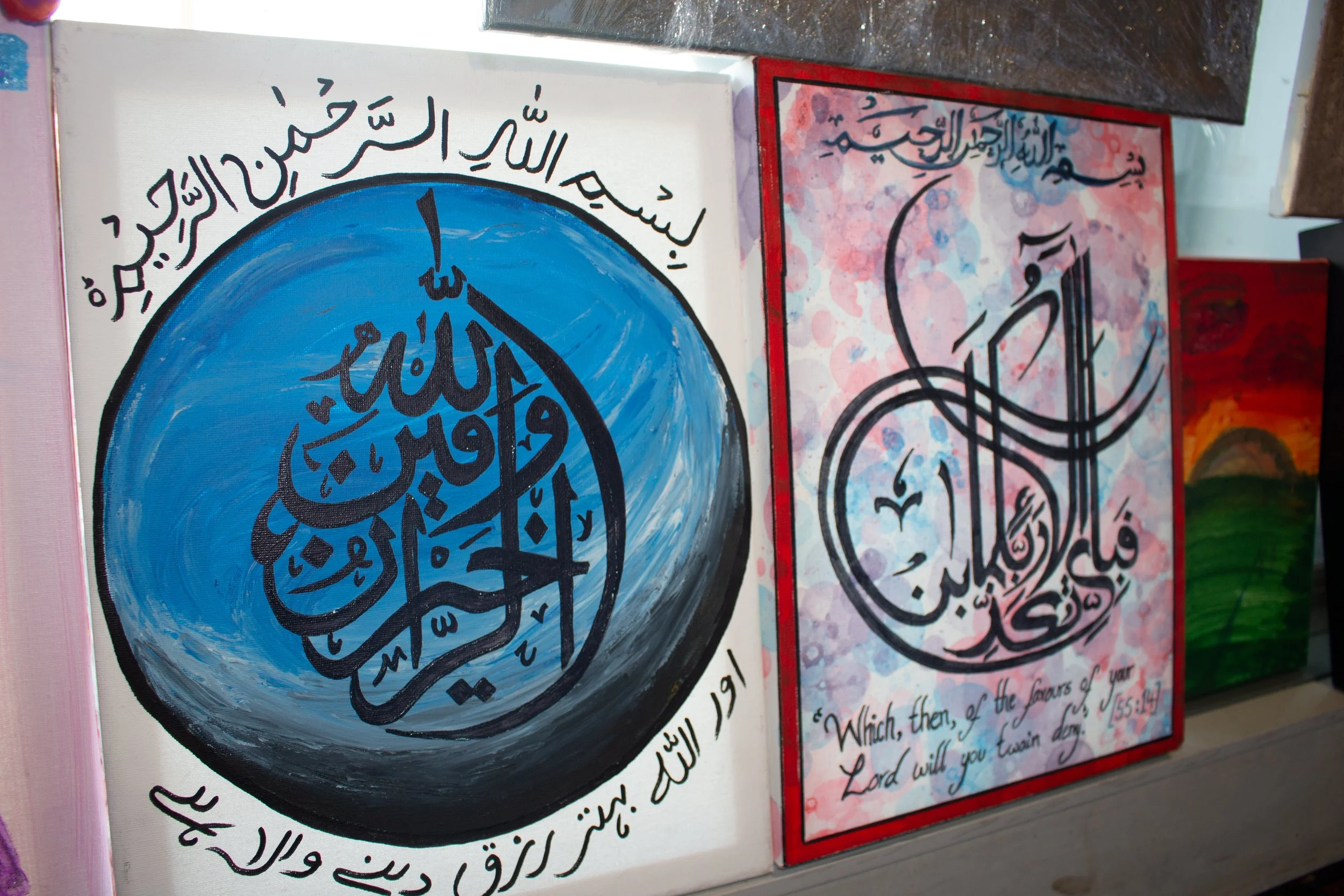
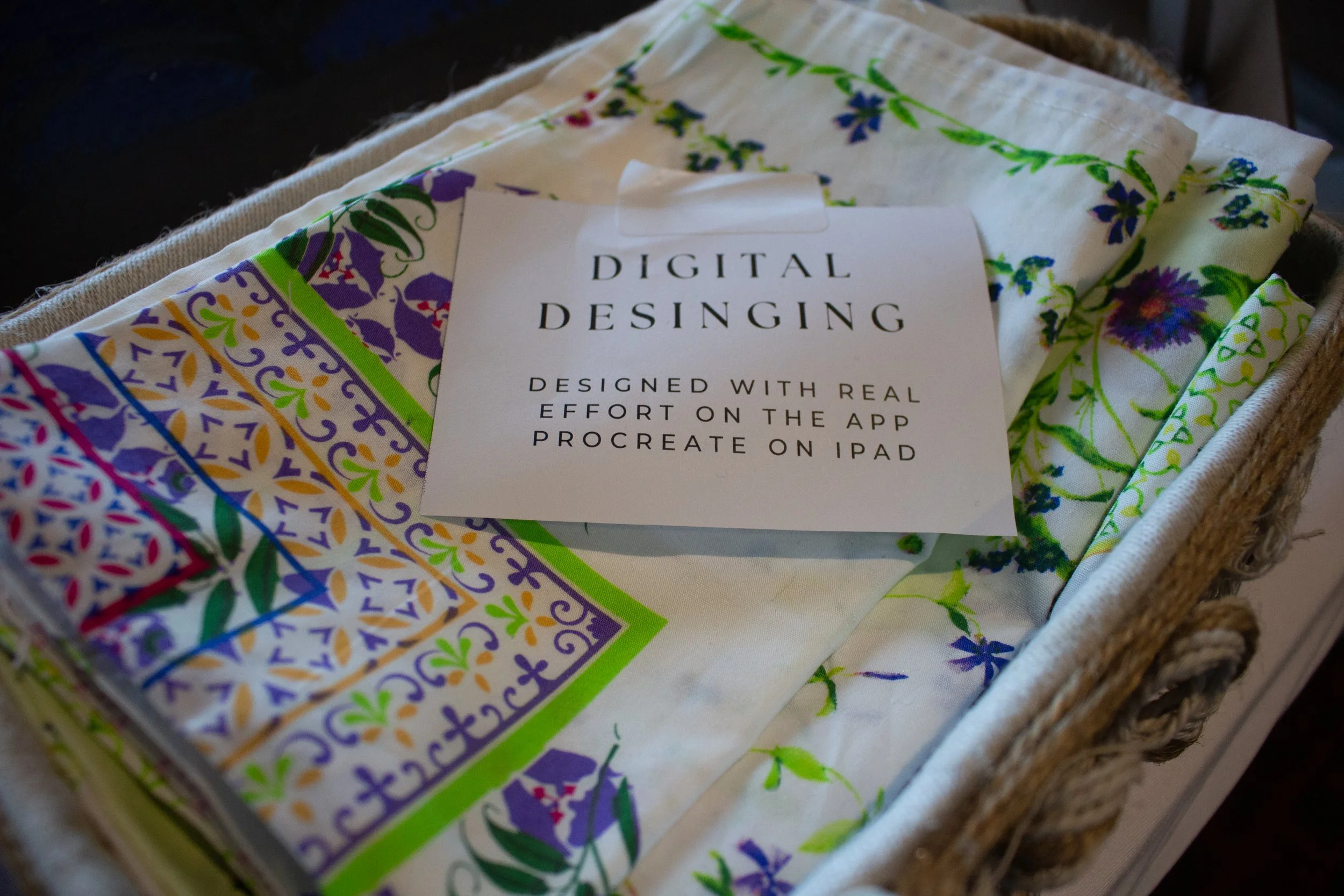
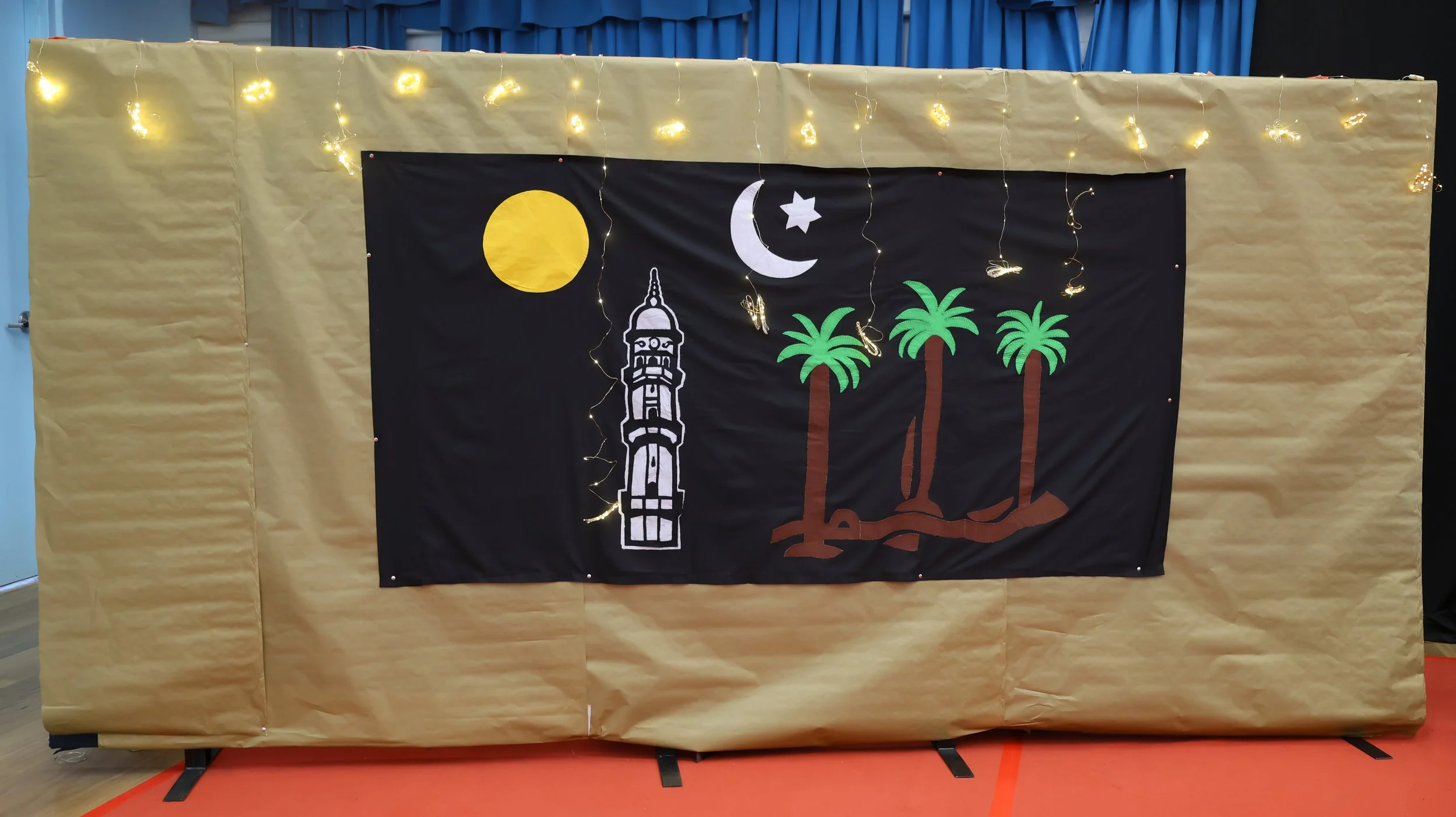
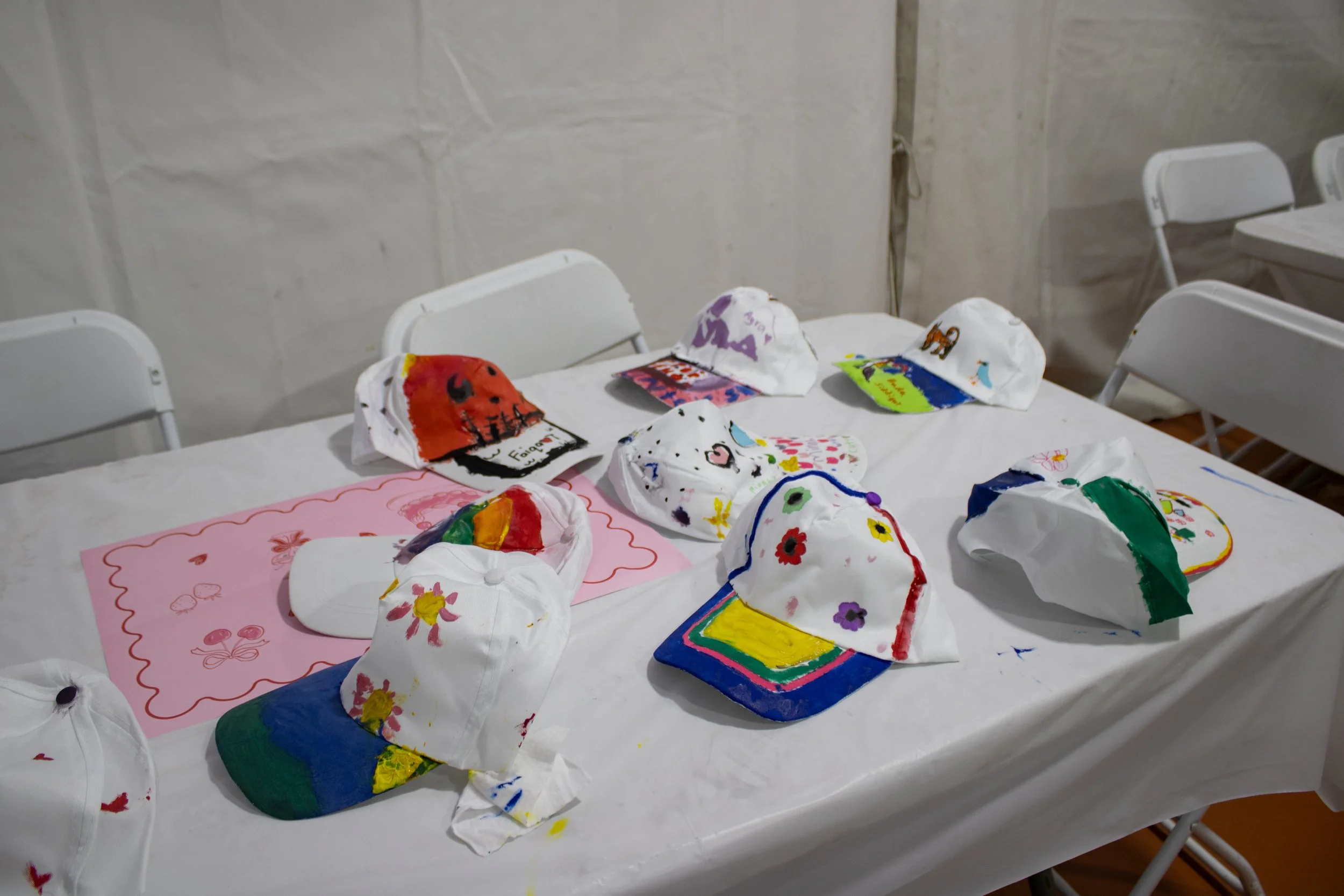
Sanat-wa-Dastkari department aims to nurture creativity, practical skills, and self-reliance among Lajna members by encouraging the learning and practice of useful crafts and handwork.
Sanat -wa- Dastakari
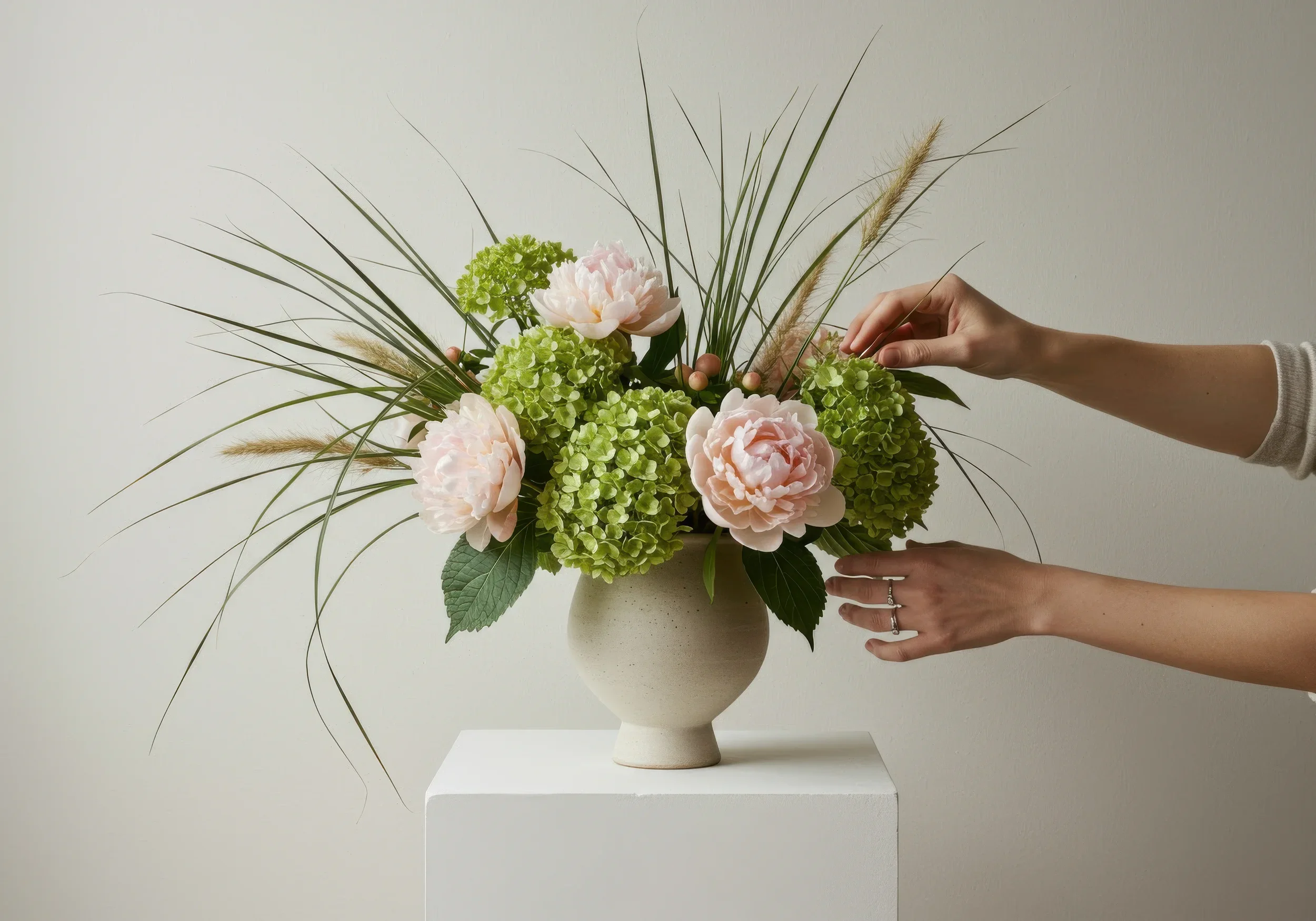
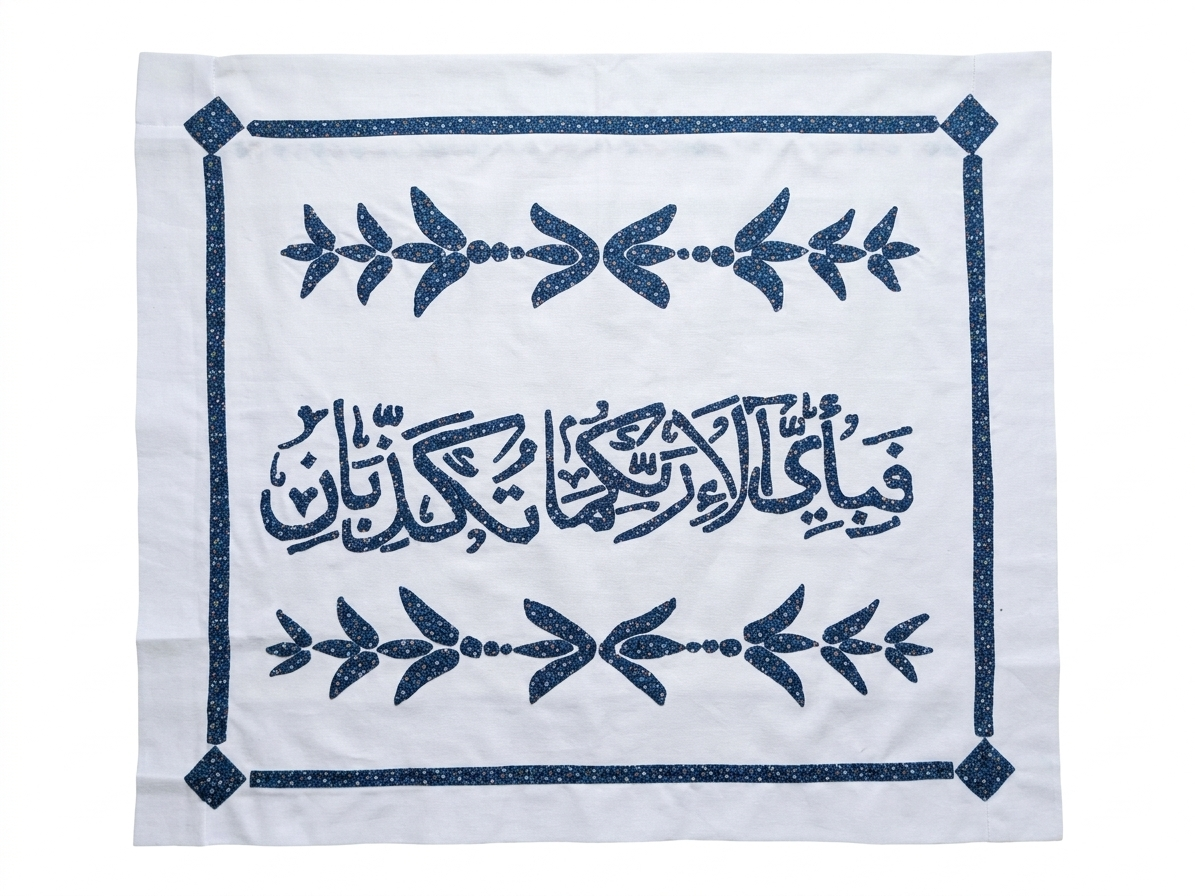
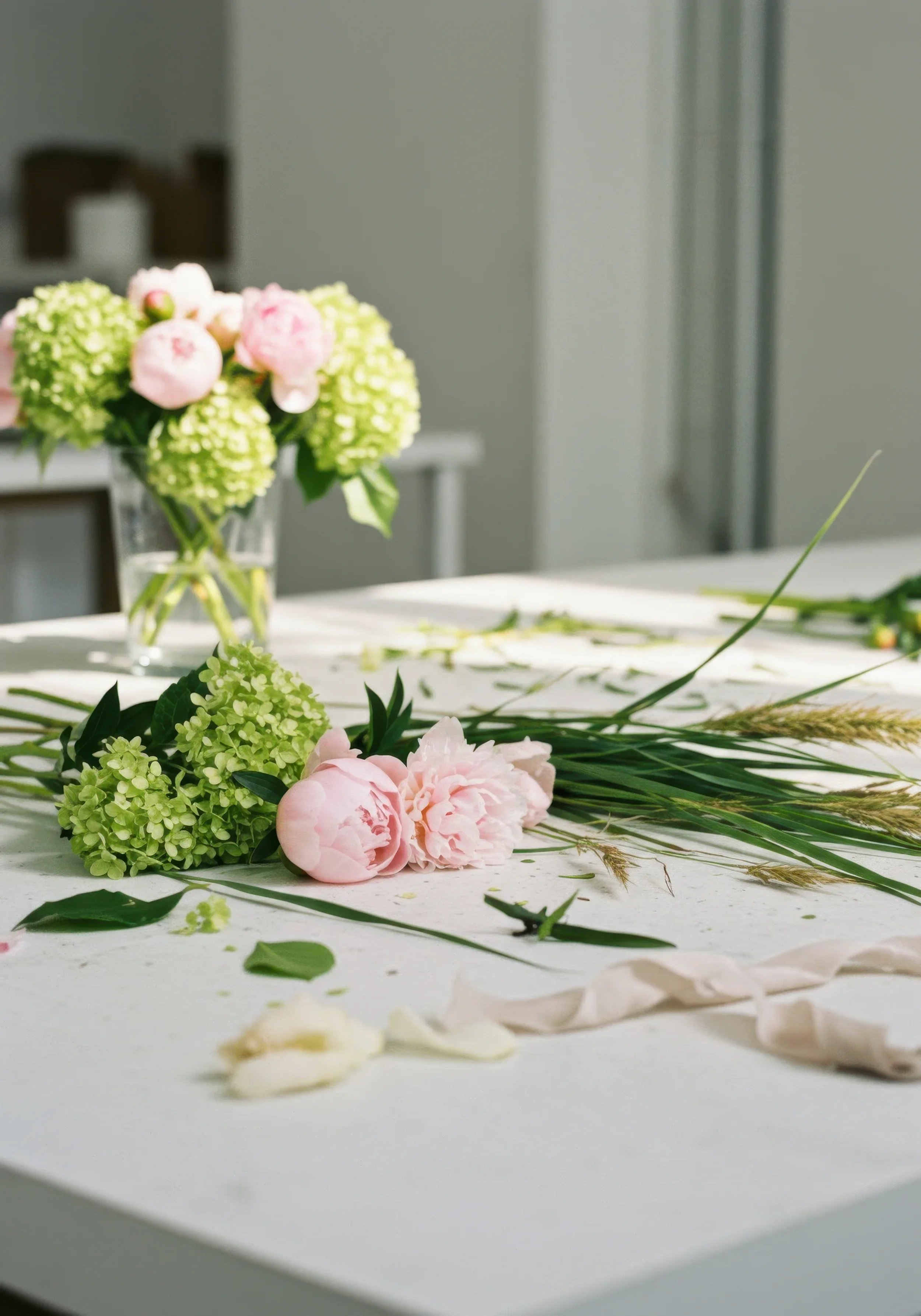
Through workshops, training sessions and exhibitions, the department provides opportunities to develop skills such as stitching, knitting, crochet, embroidery, art and craft, and other creative activities. These initiatives not only enhance individual abilities but also promote patience, discipline and a spirit of cooperation. These activities are also extended to nasirat so that they can find opportunities to express their creative talents.
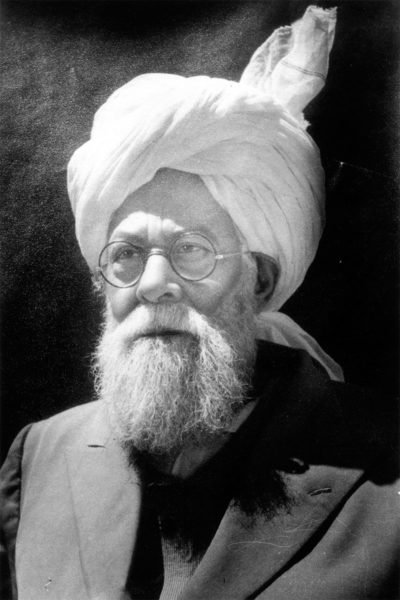
The primary objective of Hazrat Musleh Maud (ra) in establishing this department was to provide employment opportunities for needy women, enabling them to improve their living standards.
According to Tareekh Lajna (History of Lajna, Vol. 1), the origins of this department date back to October 1926, when women of the Jamaat decided to raise funds by selling handmade knitted and cotton garments. On 30 October, a gathering was held at the residence of Hazrat Mian Bashir Ahmad Sahib (ra), where these items were sold and the proceeds donated to the Tabligh Fund.
The following year, in 1927, the first exhibition—or numaish—was held featuring handicrafts made by women, with an entry fee for attendees. The exhibition’s winner was Amatul Mughni Shameeem Sahiba, who created a blue velvet banner embroidered with the revealed words “Alaisallaho” in silver thread; she was awarded a silver medal for her work. Thereafter, such exhibitions became an annual event.
By 1928, it was decided to formalize these efforts into a distinct Lajna department, with the exhibition serving as one of its key activities each year (Tareekh Lajna, Vol. 1, Dec 1970, pp. 192–194).